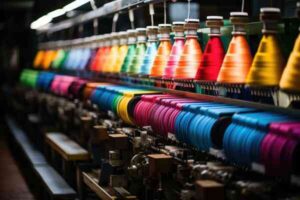

In the world of fashion, textile innovation has become a key driver behind the development and evolution of style. Continuously advancing textile technologies have opened new possibilities for designers to create revolutionary works that combine aesthetics with performance and sustainability. This article discusses the importance of textile innovation in fashion design, examples of revolutionary textile technologies, and their impact on the fashion industry.
The Importance of Textile Innovation in Fashion Design
Textile innovation plays a crucial role in fashion design for several reasons:
Enhancing Creativity
Innovative textile technologies create new opportunities for designers to express their creativity through unique material selection and construction techniques.
Improving Performance
Textile innovation can enhance garment performance, such as strength, water resistance, thermal insulation, and comfort—meeting the practical needs of consumers with active lifestyles.
Accelerating Production
The development of new textile technologies can streamline the garment production process, reducing production time and costs while enabling faster responses to trends and market demand.
Minimizing Environmental Impact
Textile innovation also contributes to environmental sustainability by reducing textile waste, utilizing eco-friendly materials, and improving production processes.
Examples of Revolutionary Textile Technologies
Some examples of revolutionary textile innovations in fashion design include:
Antimicrobial Technology
Textile materials equipped with antimicrobial technology help reduce bacterial growth and unwanted odors, keeping garments fresh and hygienic.
Shape-Recovery Technology
Elastic materials with shape-recovery technology can return to their original form after use, maintaining a neat and well-kept appearance.
Health-Monitoring Technology
Textile technologies integrated with sensors and electronic devices can monitor various health parameters, such as heart rate, activity levels, and sleep quality.
Eco-Based Materials
The development of textiles derived from sustainable sources—such as recycled fibers, organic cotton, or bamboo fibers—helps reduce the carbon footprint and environmental impact of the fashion industry.
The Impact of Textile Innovation on the Fashion Industry
Textile innovation has broad implications for the fashion industry, including:
Creation of New Trends
Textile innovation often acts as a catalyst for new fashion trends, enabling designers to create previously unimaginable designs.
Shift in Consumer Perception
Innovative textile technologies can reshape consumer perceptions of clothing, making performance and sustainability key considerations alongside aesthetics.
Improved Production Efficiency
The use of revolutionary textile technologies can enhance production efficiency, reducing overall waste, costs, and production time.