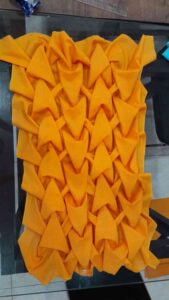
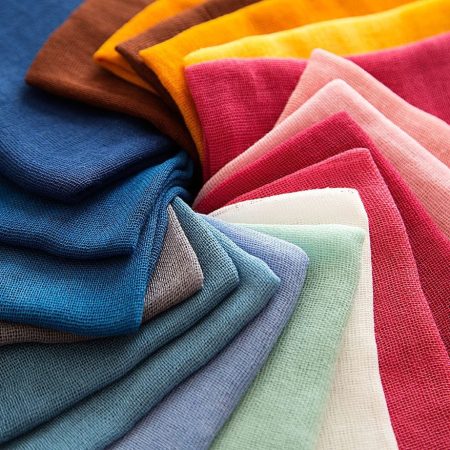
Textiles are among the oldest cultural and technological creations inherited by humanity. For thousands of years, natural fibers have been spun into yarn and transformed into fabric to meet human needs, from clothing to high-value works of art. Behind a single piece of fabric lies a long process involving science, craftsmanship, and deep aesthetic values.
In the context of art education, understanding textiles is not merely about learning how to make fabric, but also about appreciating the meaning, history, and cultural values embedded within it.
Definition and Meaning of Textiles
The term “textile” originates from the Latin word textere, meaning “to weave, to braid, or to construct.”
According to John Gillow in World Textiles, the term reflects the fundamental essence of textiles: a process of building a structure from fibers interlaced into a unified whole.
Meanwhile, Isabelle B. Wingate in Textile Fabrics and Their Selection explains:
“Textiles are all materials that can be or have been formed into yarn or fabricated into cloth.”
She further states that fabric is the result of fibers or yarns arranged through various methods, such as interlacing (weaving), interlooping (knitting), felting (matting), bonding (adhesive joining), or laminating (layering).
From these definitions, textiles can be understood as a product of human creativity in transforming fibers into materials that are not only functional but also aesthetic and communicative.
Types of Textile Fibers
The primary material in textile production is fiber, which is divided into two major categories: natural fibers and manufactured fibers.
Natural Fibers
Derived from plants and animals, such as:
- Cotton from cotton plant seeds (soft, absorbent, comfortable)
- Linen from flax stems (strong, naturally lustrous)
- Wool from sheep fleece (warm, elastic, wrinkle-resistant)
- Silk from silkworm cocoons (smooth and elegant)
Manufactured (Synthetic) Fibers
Produced from chemical processes to replicate or enhance the properties of natural fibers, such as rayon, polyester, and nylon. These fibers are durable, wrinkle-resistant, and easy to maintain.
Understanding fiber types is essential because their characteristics determine the function, comfort, and aesthetic qualities of the final fabric.
The Textile Production Process
Textile production involves systematic technical stages:
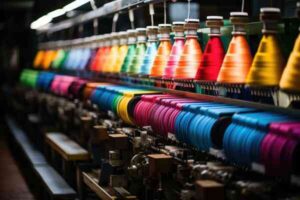
- Spinning – twisting fibers into yarn to increase strength.
- Weaving or Knitting – interlacing warp and weft yarns (or looping yarns) to form fabric.
- Finishing – processes such as washing, bleaching, dyeing, and coating to prepare fabric for use.
In the modern era, manual techniques coexist with machinery and digital printing technologies, expanding the visual and textural exploration of fabric.
Motifs and Dyeing: The Soul of Textiles
Color and motifs bring life to textiles. Dyeing can be done naturally using plant and mineral materials, or synthetically using chemical dyes.
Indonesia possesses rich traditional dyeing techniques such as batik, ikat, and jumputan. Each technique carries deep philosophical meaning—for example, the parang motif symbolizes strength and resilience, while mega mendung represents inner calm.
Today, digital printing technology allows high-precision motif visualization, opening new possibilities for textile artists to experiment between tradition and modernity.
Textile Innovation in the Contemporary Era
The textile world continues to evolve with the emergence of smart textiles—fabrics capable of conducting electricity, regulating body temperature, or even monitoring heart rate.
Beyond technological innovation, sustainability has become a central concern in the global textile industry. The use of recycled fibers, natural dyes, and environmentally friendly production methods are essential steps toward a greener and more ethical textile industry.
Textiles as a Medium of Art and Cultural Expression
In the realm of fine arts, textiles function not only as clothing materials but also as a medium of visual and cultural expression.
Woven fabrics, batik, and songket are not only aesthetically beautiful but also rich in social and spiritual meaning. Motifs and colors often reflect ethnic identity, social status, and the worldview of the community that creates them.
For example, ikat weaving from East Nusa Tenggara contains cosmological symbols and ancestral myths, while songket from Palembang symbolizes grandeur and nobility.
In modern contexts, many artists use textiles as a contemporary medium—combining threads, photography, video, and installations—to address social and environmental issues.
Textiles in Education and the Creative Economy
In art education, textile studies teach aesthetic values, perseverance, and innovation. Through hands-on practice—such as making batik, weaving, or designing garments—students learn the relationship between function, form, and meaning in artistic works.
Furthermore, textiles play a significant role in the creative economy. Textile craft industries such as fashion, interior decoration, and cultural souvenirs contribute greatly to local economies.
With design innovation rooted in tradition, textiles become a bridge between cultural heritage and global market demands.
Weaving the Future of Textiles
From the classical definition of textere—“to weave, to braid, or to construct”—to today’s digital technological explorations, the world of textiles continues to evolve without losing its identity. It not only connects fibers but also weaves together stories, identities, and human creativity.
For students, artists, and designers, studying textiles means understanding how tradition and innovation can merge to create something beautiful and meaningful.
Textiles are not merely materials; they are reflections of civilization—from the past woven by hand to the future knitted with new ideas.
Conclusion
Textiles represent the intersection of science, art, and culture. They are born from a long process—from spun yarn to works that radiate aesthetic and functional value. In the modern world, textiles are no longer merely clothing necessities but also mediums of visual communication, symbols of identity, and pillars of the creative economy.
Through understanding and innovation in textiles, the younger generation is expected to continue the craft traditions of the archipelago while presenting creative solutions to contemporary challenges. In doing so, textiles become not only cultural heritage but also a bridge toward a sustainable and meaningful future.